

Agentic AI
Being a Value Catalyst
Building Relationships and Aligning Value to Empower

Mondweep Chakravorthy

Mastering the BRAVE Mindset: Empowering CFOs for High-Impact Technical Project Management
Modern CFOs are often at the heart of transformation initiatives that shape the company’s future, especially in fast-moving environments driven by technical innovation. The BRAVE Mindset (Building Relationships and Aligning Value to Empower) is an essential approach for leaders like you, providing a structured yet flexible way to manage technical projects and programmes for the best business outcomes. By applying BRAVE, you enable confident decision-making, foster strong partnerships, and connect investments to measurable value—even when things get tough or ambiguous.
What Every CFO Needs to Know About High-Impact Technical Project Management
As finance leaders, you likely find yourself tasked with balancing budgets, overseeing risk, and demonstrating ROI while navigating highly technical projects. You don’t need to be an engineer, but you do need a strong grasp of how to engage tech teams effectively, translate business strategy into actionable plans, and negotiate with both internal and external stakeholders. Projects often stall, or go off-track, when communication breaks down or when strategic value becomes unclear. The BRAVE Mindset helps you prevent these pitfalls by focusing on relationships, aligning on value, and empowering teams to solve real business problems.
Core Pillars of the BRAVE Mindset
Technical Foundation—Establishing Trust Through Understanding
Start by developing a practical understanding of the technologies powering your projects. This doesn't mean you need to know how to code, but you should understand what each system does for your business. For example, if you’re overseeing a data migration to the cloud, spend time with your IT leads to grasp the benefits, major risks, and cost levers. When a challenge arises, like unexpected delays in data transfer, your familiarity enables you to ask smart questions and work collaboratively toward solutions.
Remember, clear communication is king. When reporting to the board, avoid jargon—explain things in plain English, such as, “We’re moving our data to a secure cloud so our teams can work more flexibly and we can scale without buying new servers.” This builds your credibility as a strategic leader who's in control.
Strategic Navigator—Because Every Project Needs a North Star
Ask the "why" behind each project. Is this new software upgrade about compliance, customer experience, or competitive advantage? Challenge assumptions. Maybe an expensive system replacement isn’t the only answer—could an upgrade do the job? As a CFO, connecting the dots between project goals and the company’s bottom line demonstrates not just financial stewardship, but strategic insight.
Suppose your IT team proposes a custom application for workflow automation at a cost of £250,000. By probing deeper, you discover that a third-party solution exists at half the price, with faster deployment. In negotiations, you can communicate, “I understand the technical needs, but this approach maximizes value and lowers our risk profile.” This blend of curiosity, challenge, and negotiation often steers projects toward better returns.
Navigating Difficult Situations—Keeping Cool Under Pressure
Projects don’t always go smoothly, and occasionally, strong personalities clash. Maintain professionalism, even when meetings start to get tense. Being a discreet diplomat means you address disagreements head-on but with respect. For example, if IT and Sales are in conflict about system features, create space for each side, listen, then guide them to common ground.
Sometimes, waiting patiently while a problem becomes obvious to everyone leads people to see the need for change—so your solutions land more effectively. Imagine a supplier repeatedly misses deadlines. Instead of reacting immediately, document the delays, discuss gently with your project team, then—when the pain gets noticed—step in with an alternative supplier or contract change. This strategy helps your fixes to stick.
The Entrepreneurial Edge—Turning Projects Into Platforms for Value
Strong management is also about building relationships that last. For example, you may negotiate bulk licensing deals with software vendors not just for cost savings, but also to secure joint development opportunities that benefit both parties. When you understand a supplier’s motivations—maybe they want a reference customer or a new market entry—you can structure deals that go further, such as signing a long-term partnership in exchange for additional features at no extra cost.
Look for ways to monetize outcomes. Suppose a revamped internal tool could be packaged as an industry solution, bringing in new revenue streams. Always be on the lookout for those value multipliers—don’t stop at “job done.” Keep asking, “What more could we do with this?”
Agile Advocate—Balancing Flexibility, Empowerment, and Accountability
Technical projects evolve rapidly, so fixed, traditional plans often break down. By adopting agile methods, you emphasize iterative progress—planning in short cycles, seeking early wins, and learning from each step. Empower your team: trust them to make decisions and own outcomes, but set clear accountability for results. For example, in a cloud migration, empower IT leads to adjust timelines as needed but require weekly updates, so you stay informed.
It's also smart to tailor recognized frameworks—such as PRINCE2 or PMI—so they fit your organization's scale and risk appetite. If you’re managing a multi-million-pound programme, establish regular steering group check-ins, but allow project teams the latitude to innovate as challenges arise. This encourages buy-in and better problem-solving, instead of a box-ticking mentality.
Real-World Example—Putting BRAVE Into Practice
Let’s say your company is rolling out a new digital payment system. Initially, the IT and Finance teams disagree about resource allocation, and a key supplier is running late. As CFO, you kick off by clarifying why this change matters: "We need this to boost customer retention and drive 5% more sales." You ensure everyone understands what the technology does and communicate updates clearly to executives. When the supplier falls behind, you document the issues, let the need for a fix become clear to others, then step in with a new proposal. You negotiate new terms, frame the benefit in business terms, and, recognizing a potential market spin-off, kick off discussions about licensing the payment module to other companies. At every turn, you keep teams empowered—letting IT work flexibly but updating Finance regularly, and you celebrate small wins along the way to boost morale.
Summary: How CFOs Win With the BRAVE Mindset
To put it simply, the BRAVE Mindset empowers CFOs to confidently steer technical projects toward business value. Start with a genuine understanding of the technology, then focus on clear, jargon-free communication. Be relentless about asking why projects matter. Challenge assumptions, connect your efforts to real business outcomes, and guide teams professionally through tricky terrain. Build partnerships that unlock extra value, think entrepreneurially, and stay flexible by using agile methods—while holding everyone to account. The best results come from empowering relationships, sticking to the big picture, and never losing sight of value. These principles make complex projects clearer, more manageable, and ultimately, more profitable for your company.
Mastering the BRAVE Mindset: Empowering CFOs for High-Impact Technical Project Management
Modern CFOs are often at the heart of transformation initiatives that shape the company’s future, especially in fast-moving environments driven by technical innovation. The BRAVE Mindset (Building Relationships and Aligning Value to Empower) is an essential approach for leaders like you, providing a structured yet flexible way to manage technical projects and programmes for the best business outcomes. By applying BRAVE, you enable confident decision-making, foster strong partnerships, and connect investments to measurable value—even when things get tough or ambiguous.
What Every CFO Needs to Know About High-Impact Technical Project Management
As finance leaders, you likely find yourself tasked with balancing budgets, overseeing risk, and demonstrating ROI while navigating highly technical projects. You don’t need to be an engineer, but you do need a strong grasp of how to engage tech teams effectively, translate business strategy into actionable plans, and negotiate with both internal and external stakeholders. Projects often stall, or go off-track, when communication breaks down or when strategic value becomes unclear. The BRAVE Mindset helps you prevent these pitfalls by focusing on relationships, aligning on value, and empowering teams to solve real business problems.
Core Pillars of the BRAVE Mindset
Technical Foundation—Establishing Trust Through Understanding
Start by developing a practical understanding of the technologies powering your projects. This doesn't mean you need to know how to code, but you should understand what each system does for your business. For example, if you’re overseeing a data migration to the cloud, spend time with your IT leads to grasp the benefits, major risks, and cost levers. When a challenge arises, like unexpected delays in data transfer, your familiarity enables you to ask smart questions and work collaboratively toward solutions.
Remember, clear communication is king. When reporting to the board, avoid jargon—explain things in plain English, such as, “We’re moving our data to a secure cloud so our teams can work more flexibly and we can scale without buying new servers.” This builds your credibility as a strategic leader who's in control.
Strategic Navigator—Because Every Project Needs a North Star
Ask the "why" behind each project. Is this new software upgrade about compliance, customer experience, or competitive advantage? Challenge assumptions. Maybe an expensive system replacement isn’t the only answer—could an upgrade do the job? As a CFO, connecting the dots between project goals and the company’s bottom line demonstrates not just financial stewardship, but strategic insight.
Suppose your IT team proposes a custom application for workflow automation at a cost of £250,000. By probing deeper, you discover that a third-party solution exists at half the price, with faster deployment. In negotiations, you can communicate, “I understand the technical needs, but this approach maximizes value and lowers our risk profile.” This blend of curiosity, challenge, and negotiation often steers projects toward better returns.
Navigating Difficult Situations—Keeping Cool Under Pressure
Projects don’t always go smoothly, and occasionally, strong personalities clash. Maintain professionalism, even when meetings start to get tense. Being a discreet diplomat means you address disagreements head-on but with respect. For example, if IT and Sales are in conflict about system features, create space for each side, listen, then guide them to common ground.
Sometimes, waiting patiently while a problem becomes obvious to everyone leads people to see the need for change—so your solutions land more effectively. Imagine a supplier repeatedly misses deadlines. Instead of reacting immediately, document the delays, discuss gently with your project team, then—when the pain gets noticed—step in with an alternative supplier or contract change. This strategy helps your fixes to stick.
The Entrepreneurial Edge—Turning Projects Into Platforms for Value
Strong management is also about building relationships that last. For example, you may negotiate bulk licensing deals with software vendors not just for cost savings, but also to secure joint development opportunities that benefit both parties. When you understand a supplier’s motivations—maybe they want a reference customer or a new market entry—you can structure deals that go further, such as signing a long-term partnership in exchange for additional features at no extra cost.
Look for ways to monetize outcomes. Suppose a revamped internal tool could be packaged as an industry solution, bringing in new revenue streams. Always be on the lookout for those value multipliers—don’t stop at “job done.” Keep asking, “What more could we do with this?”
Agile Advocate—Balancing Flexibility, Empowerment, and Accountability
Technical projects evolve rapidly, so fixed, traditional plans often break down. By adopting agile methods, you emphasize iterative progress—planning in short cycles, seeking early wins, and learning from each step. Empower your team: trust them to make decisions and own outcomes, but set clear accountability for results. For example, in a cloud migration, empower IT leads to adjust timelines as needed but require weekly updates, so you stay informed.
It's also smart to tailor recognized frameworks—such as PRINCE2 or PMI—so they fit your organization's scale and risk appetite. If you’re managing a multi-million-pound programme, establish regular steering group check-ins, but allow project teams the latitude to innovate as challenges arise. This encourages buy-in and better problem-solving, instead of a box-ticking mentality.
Real-World Example—Putting BRAVE Into Practice
Let’s say your company is rolling out a new digital payment system. Initially, the IT and Finance teams disagree about resource allocation, and a key supplier is running late. As CFO, you kick off by clarifying why this change matters: "We need this to boost customer retention and drive 5% more sales." You ensure everyone understands what the technology does and communicate updates clearly to executives. When the supplier falls behind, you document the issues, let the need for a fix become clear to others, then step in with a new proposal. You negotiate new terms, frame the benefit in business terms, and, recognizing a potential market spin-off, kick off discussions about licensing the payment module to other companies. At every turn, you keep teams empowered—letting IT work flexibly but updating Finance regularly, and you celebrate small wins along the way to boost morale.
Summary: How CFOs Win With the BRAVE Mindset
To put it simply, the BRAVE Mindset empowers CFOs to confidently steer technical projects toward business value. Start with a genuine understanding of the technology, then focus on clear, jargon-free communication. Be relentless about asking why projects matter. Challenge assumptions, connect your efforts to real business outcomes, and guide teams professionally through tricky terrain. Build partnerships that unlock extra value, think entrepreneurially, and stay flexible by using agile methods—while holding everyone to account. The best results come from empowering relationships, sticking to the big picture, and never losing sight of value. These principles make complex projects clearer, more manageable, and ultimately, more profitable for your company.
finabeo articles
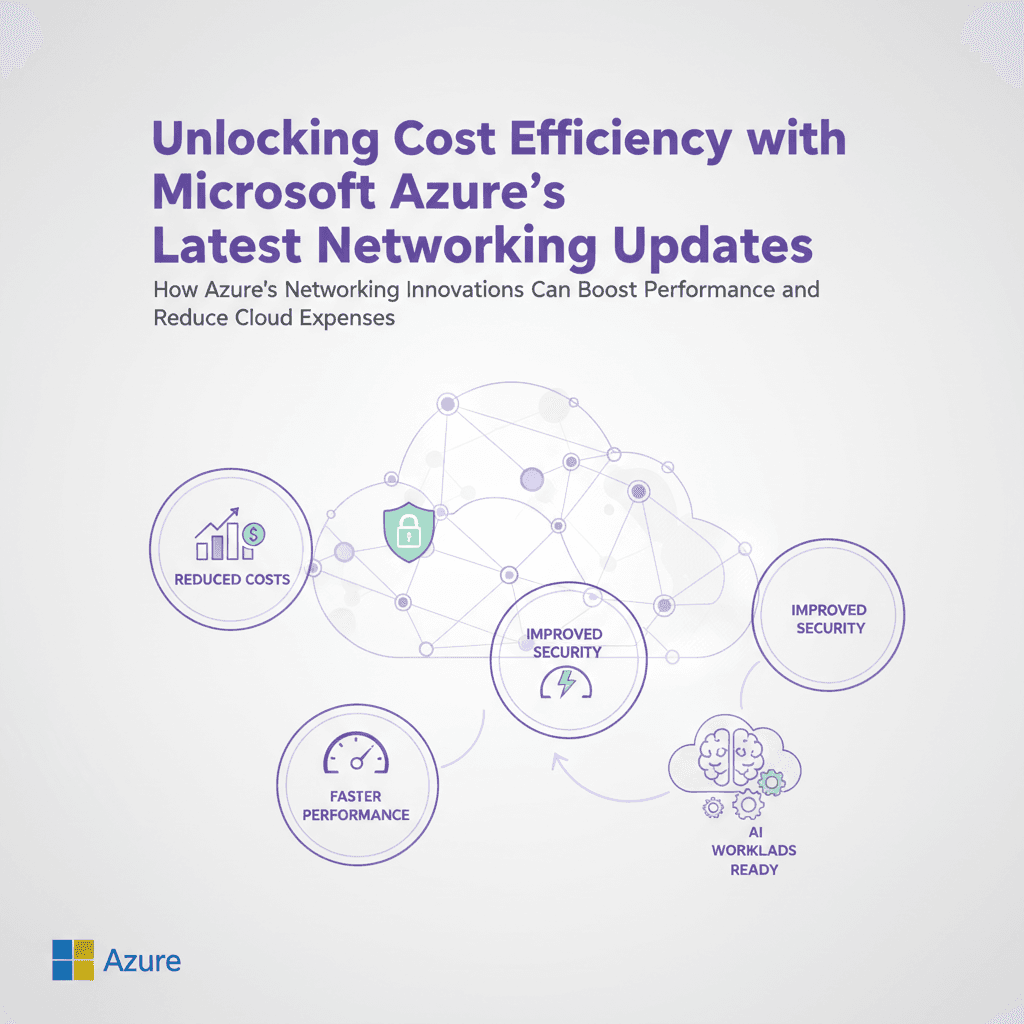
Cloud Savings & AI Transformation Insights for Enterprises
Read the latest advancements in all things enterprise cloud costs, hyperscaler news & AI digital transformations, governance and infrastructure

finabeo articles
Cloud Savings & AI Transformation Insights for Enterprises
Read the latest advancements in all things enterprise cloud costs, hyperscaler news & AI digital transformations, governance and infrastructure
finabeo articles
Cloud Savings & AI Transformation Insights for Enterprises
Read the latest advancements in all things enterprise cloud costs, hyperscaler news & AI digital transformations, governance and infrastructure
finabeo articles
Cloud Savings & AI Transformation Insights for Enterprises
Read the latest advancements in all things enterprise cloud costs, hyperscaler news & AI digital transformations, governance and infrastructure